Diseases in German - Die Krankheiten

Diseases in German - Die Krankheiten

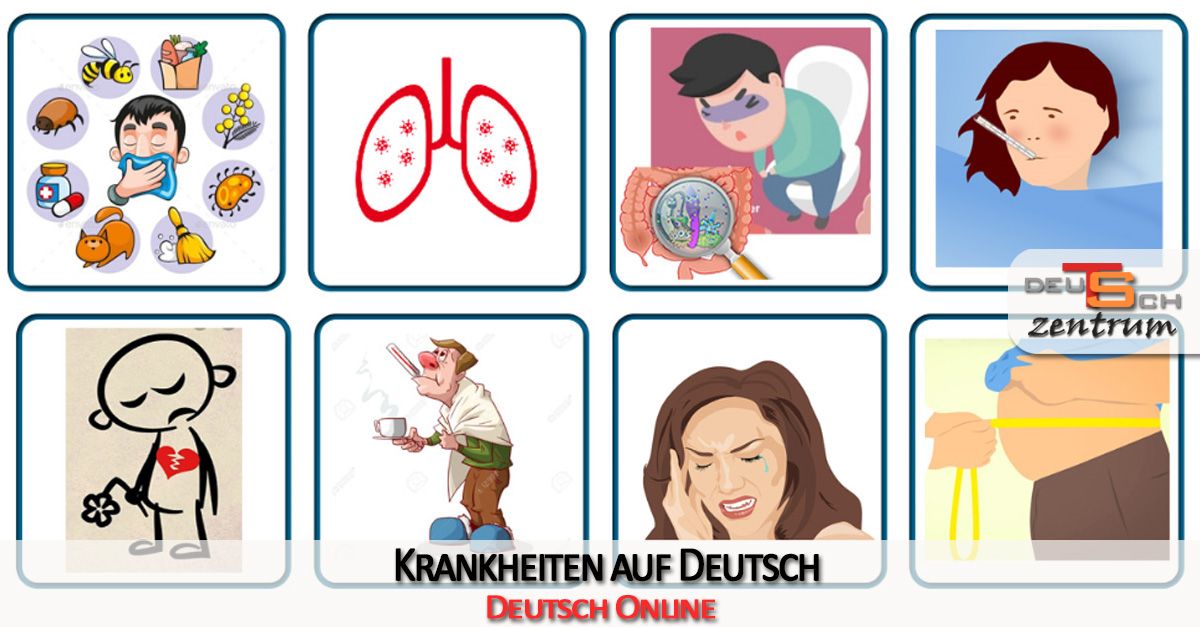
How often are you sick? With this exercise you can learn or repeat the most common illnesses in German. To solve the task, you have to drag the right words onto the appropriate pictures. At the end you can check your solution. Have fun!

Krankheiten auf Deutsch
Übung}

Drag the right words onto the pictures! Note: Click on the arrows in the upper right corner of the exercise to view the exercise in full screen mode.
 

{/slider


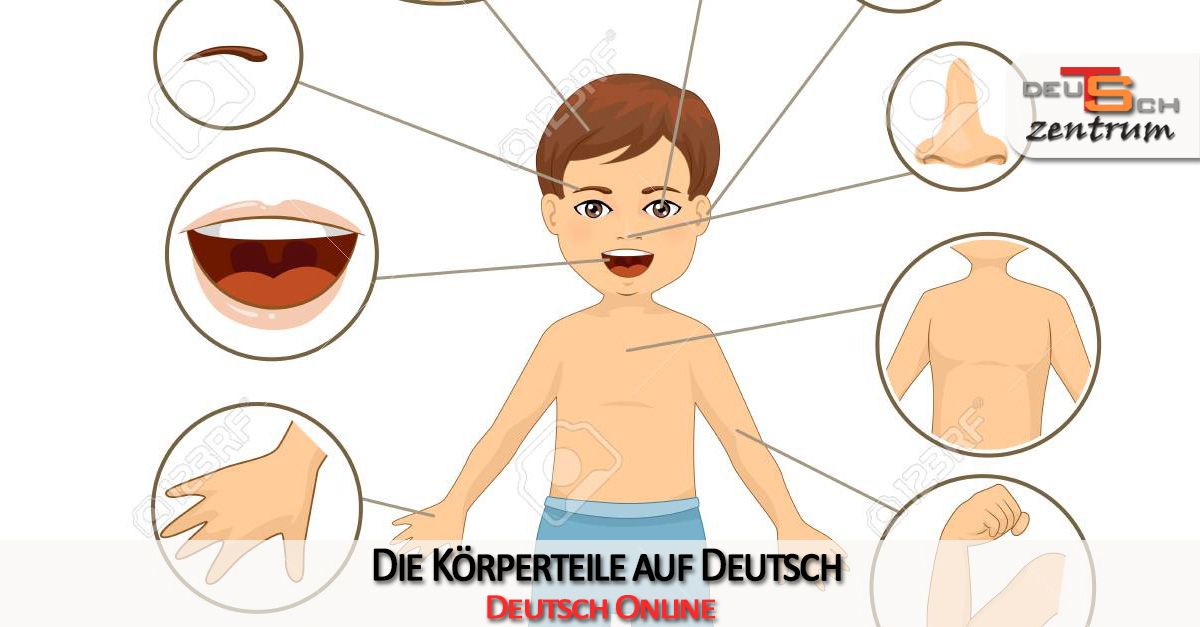
The body parts in German - die Körperteile

The body parts in German - die Körperteile

How well do you know the body parts? With this exercise you can learn or repeat the most important parts of your body. To solve the task, you have to drag the right words onto the appropriate pictures. At the end you can check your solution - Suitable for learners of German at levels A1-A2. Have fun! 

Körperteile auf Deutsch
Exercise}

Drag the right words onto the pictures! Note: Click on the arrows in the upper right corner of the exercise to view the exercise in full screen mode.
 

{/slider


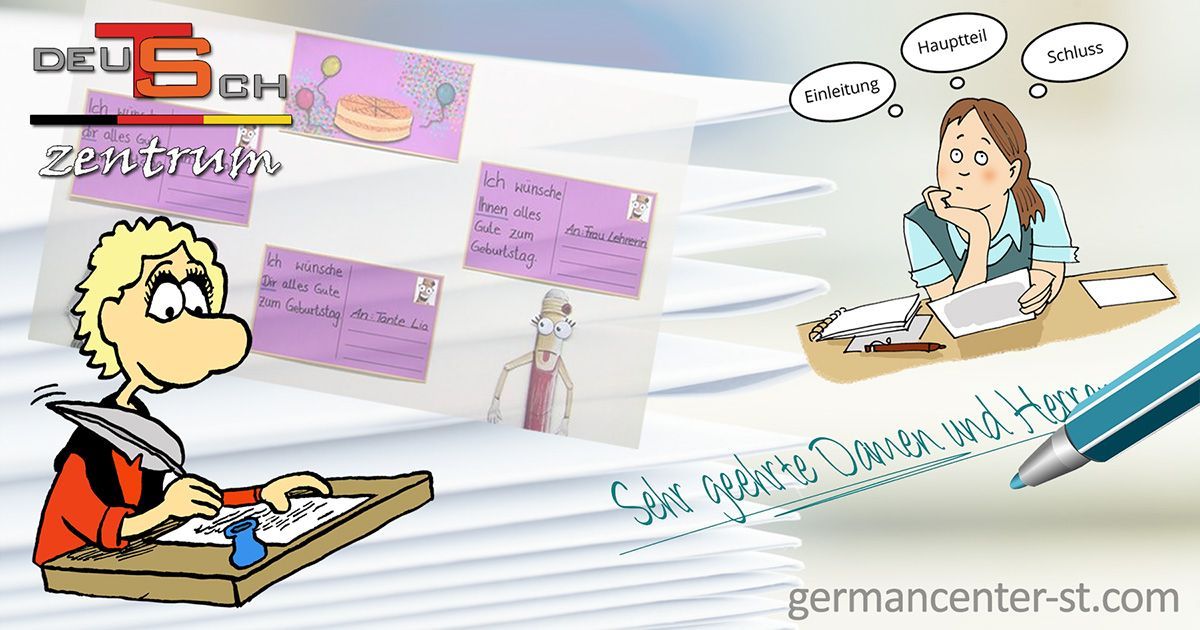
Write letters and emails in German - Briefe auf Deutsch

Write letters and emails in German - Briefe auf Deutsch

Bai Tap Tieng Duc Viet thu

Letters and emails are an important part of writing and also in the German exams. There are different types and forms of letters and rules that must always be observed when writing.

The following online exercises are designed to help you write letters and e-mails, so that you have fewer writing problems and they also help you prepare for the A2 and B1 language exams. 

Have fun solving the tasks and writing texts!


All exercises (explanations below):


Explanations of the exercises:

Exercise 1,2: Salutations and greetings
Every letter or email starts with a salutation - e.g. "Hallo Max," and ends with a greeting - e.g. "Liebe Grüße". In German we distinguish between polite (formal) and personal letters. For this there are always suitable salutations and greetings. 
Below the greeting is the name - in a formal letter the full name and in a personal letter only the first name. Before you write an email in an exam, you should always write the salutation and the greeting first, so that you don't forget it.
Solve exercise 1 first and sort the salutations and greetings. Then you can do exercise 2 and add appropriate salutations and greetings in emails.
Exercise 3,4: Introductory and final sentences
At the beginning of every email there is always a short introductory sentence and at the end there is always a final sentence. These can be questions, wishes or requests.
If you have already learned the correct introductory and concluding sentences, the letter will be much easier for you in the exam.
Solve exercise 3 first and sort the introductions and final sentences. Then, in exercise 4, you can put two emails in the correct order.
Exercises 5,6 and 7: Articles and pronouns in letters
In letters and emails one often uses possessive articles ("dein/ihr/...") and personal pronouns in the accusative or dative. In a polite letter we use the forms of "Sie" and all possessive articles and pronouns are capitalized! In a personal letter we use the forms of "du" and all possessive articles and pronouns are normally written in small letters.
Solve first the exercises 5 and 6 and sort the salutations and greetings. Then in exercise 7 you can use articles and pronouns in emails.
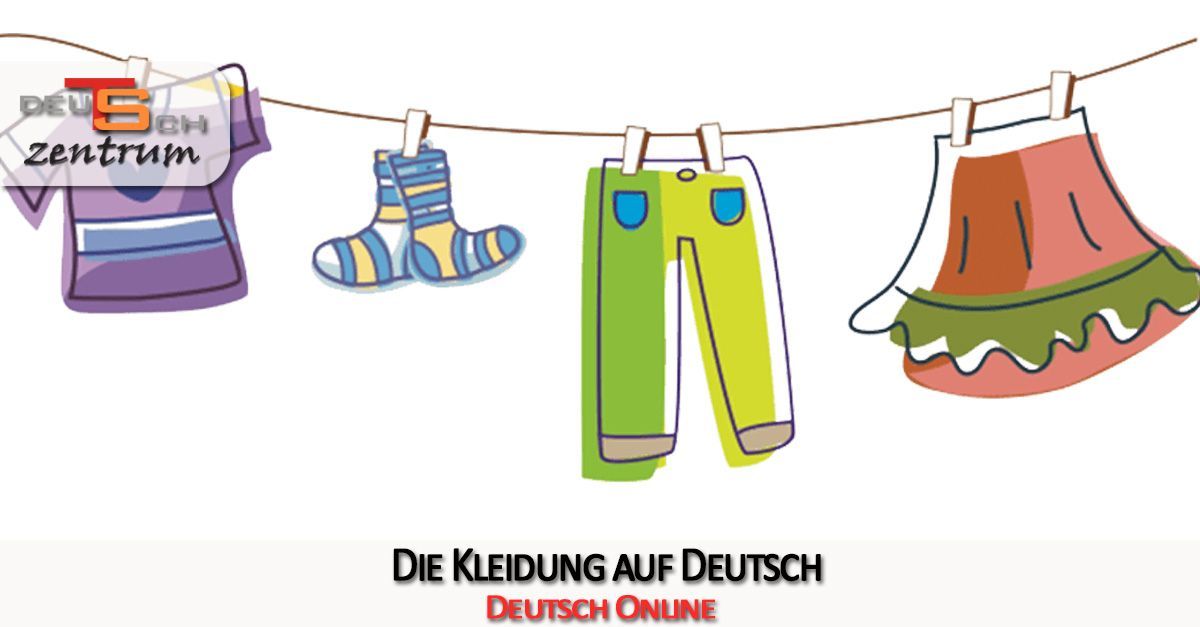
Clothing in German - Die Kleidung auf Deutsch

Clothing in German - Die Kleidung auf Deutsch

Kleidung auf Deutsch

What kind of clothes do you wear? - Clothes in German language. A vocabulary training for level A1. Combine the pictures (press and drag) with the appropriate words. Correct pairs disappear - For wrong pairs, you can try again by clicking/pressing in the middle between the word and the picture.

Have fun practicing!


Zalo